The Sharpie Font: A Bold Statement in Modern Typography
Every designer knows the search for that one typeface that instantly elevates a project from good to unforgettable. The Sharpie font is precisely that tool—a stunning decorative display typeface engineered to command attention and inject immediate personality into any visual composition. In a landscape saturated with ordinary fonts, Sharpie offers a unique artistic flair that transforms headlines, logos, and creative packaging into compelling focal points.
Understanding Sharpie's Design Philosophy
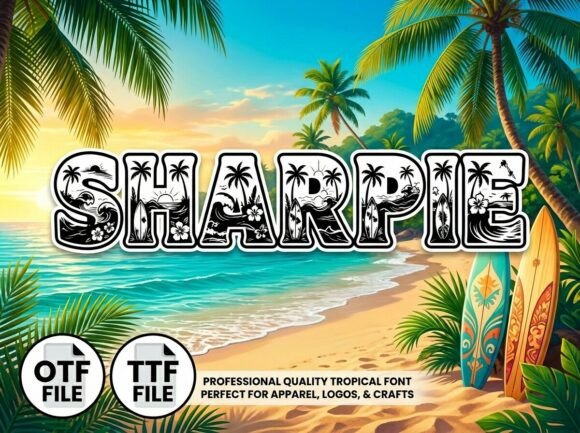
Sharpie is not just another font; it's a specialized creative asset designed for maximum visual impact. As an all-caps display typeface, it abandons the lowercase alphabet to focus entirely on crafting each uppercase letter as a distinct work of art. This design choice makes it exceptionally powerful for high-impact applications where clarity and boldness are paramount. The font delivers a strong visual personality that resonates with modern aesthetics, blending artistic elements with a polished, professional finish.
Practical Applications for Designers and Creators
The versatility of the Sharpie font makes it a valuable addition to any designer's toolkit. Its character shines across a multitude of projects, helping to solve common branding and communication challenges. Consider its application in these key areas:
- Branding and Logo Design: Use Sharpie to create distinctive wordmarks and logos that stand out in a competitive market, establishing a unique brand identity.
- Marketing and Advertising: Craft bold headlines for posters, banners, and digital ads that stop the scroll and capture interest instantly.
- Social Media Graphics: Design eye-catching quotes, announcements, and promotional posts that enhance engagement and visual consistency.
- Packaging Design: Apply the font to product labels and packaging to communicate creativity and premium quality at first glance.
- Editorial and Web Design: Create striking titles for magazines, blogs, and website hero sections that guide the user's eye and improve visual hierarchy.
Integrating Sharpie into Your Design Workflow
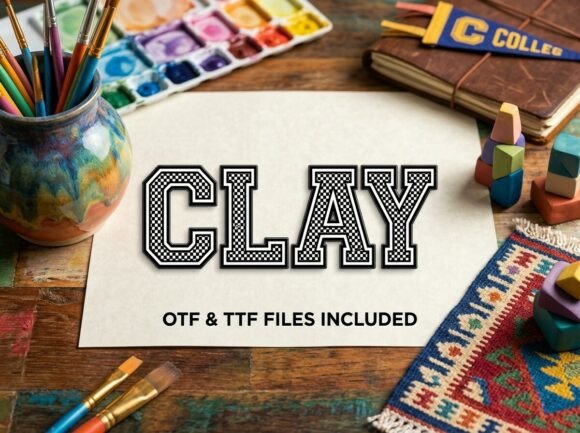
When incorporating a powerful display font like Sharpie, thoughtful implementation is key to achieving a cohesive and effective result. The font arrives in both OTF and TTF formats, ensuring broad compatibility with professional design software like Adobe Creative Suite and standard applications across all devices. This allows for seamless integration into your existing workflow.
To maximize its impact, consider these practical tips. First, pair Sharpie with a clean, simple sans-serif or serif font for body text to maintain readability and create a balanced visual hierarchy. Second, leverage its all-caps nature for short, high-value text elements—think brand names, key headlines, or call-to-action buttons. Finally, experiment with color palette and composition; Sharpie's strong forms can handle vibrant hues or monochromatic schemes, providing a solid foundation for your overall design inspiration.
In the realm of graphic design, the tools you choose directly influence the story you tell. A thoughtfully selected typeface like Sharpie does more than display words; it communicates tone, evokes emotion, and builds recognition. By prioritizing quality creative assets that align with your project's goals, you ensure that every element—from typography to imagery—works in harmony to deliver a polished, professional presentation that truly resonates with your audience.