Clay: The Decorative Display Font for Bold Visual Statements
In a world saturated with visual noise, finding a typeface that commands immediate attention is a strategic advantage. This is precisely where the Clay font excels, offering a stunning decorative display typeface designed not just to be seen, but to be remembered. For graphic designers and creators seeking to break away from the ordinary, Clay provides a powerful tool to inject personality and artistic flair into any project.
Understanding the Power of Display Typography
Typography is the voice of design. While body text prioritizes readability, display fonts like Clay are all about visual impact and setting a tone. As a key element in visual hierarchy, a strong display font directs the viewer's eye, communicates brand personality in an instant, and creates an emotional response. Clay’s unique artistic elements and strong visual personality make it an ideal choice for establishing a modern aesthetic that feels both professional and creatively charged.
Key Characteristics of the Clay Font
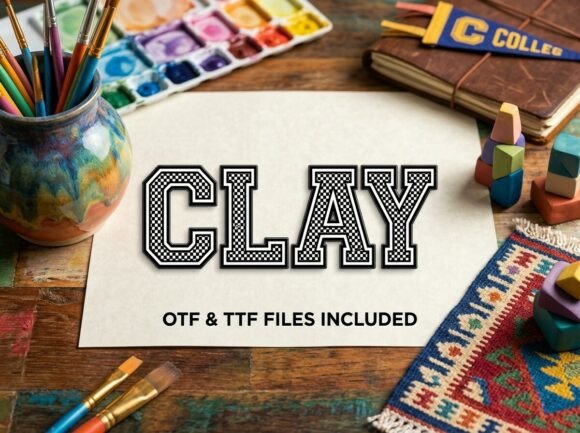
- Decorative & Artistic: Each letterform is crafted as a work of art, featuring unique details that stand out from standard sans-serifs and serifs.
- All-Caps Design: This is an uppercase-only typeface, specifically engineered for high-impact headlines, logos, and decorative initials where uniform height and strength are desired.
- Professional Polish: Despite its decorative nature, the font maintains a polished finish, ensuring it enhances rather than detracts from a professional presentation.
- Versatile Files: The package includes both OTF and TTF files, ensuring broad compatibility across design software, from Adobe Illustrator to Canva and web-based platforms.
Practical Applications for Creative Projects
The true value of a design asset lies in its application. Clay’s versatility allows it to elevate a wide range of creative projects, helping to strengthen brand identity and improve user engagement.
Branding and Logo Design: A logo is the cornerstone of brand identity. Clay’s distinctive style can serve as the foundation for a memorable logo, particularly for brands in fashion, lifestyle, entertainment, or artisanal goods. Its bold presence ensures the brand name is unforgettable.
Marketing Materials & Advertising: From digital marketing banners to print advertisements, headlines need to capture attention in seconds. Using Clay for headlines on posters, flyers, and email headers can dramatically increase click-through rates and visual appeal.
Social Media Graphics: In the fast-scrolling environment of social media, a striking typographic treatment can stop the thumb. Clay is perfect for creating impactful quotes, announcement graphics, and story headers that boost engagement and reinforce a cohesive visual style.
Packaging Design & Merchandise: For product packaging, the font on the label tells a story. Clay can give packaging design an artisanal, premium, or avant-garde feel. It is equally effective on merchandise like t-shirts, mugs, and tote bags where bold text is a key design feature.
Editorial & Web Design: In editorial layouts and web design, a decorative display font can break up text-heavy pages and create compelling section breaks. Use it for magazine headlines, pull quotes, or hero section text on a website to create a dynamic user experience (UX).
Tips for Effective Implementation
To maximize the impact of a font like Clay, thoughtful integration into your design workflow is essential.
- Pair Wisely: A decorative display font works best when contrasted with a clean, simple body font. Pair Clay with a neutral sans-serif for paragraphs to maintain readability while letting the display type shine.
- Prioritize Readability: Due to its intricate details, Clay is best used at larger sizes. Avoid using it for small body text where its artistic elements could become muddled.
- Consider Your Audience: Ensure the font’s personality aligns with your target audience’s expectations. Its modern, artistic style is perfect for contemporary brands but may not suit traditional corporate contexts.
- Test for Scalability: Always test your design at various sizes, from a small favicon to a large billboard, to ensure the font remains legible and impactful across all applications.
Choosing the right creative assets is a critical step in the design process. A thoughtfully selected typeface like Clay does more than display words; it communicates a feeling, establishes a mood, and elevates the entire visual composition. By investing in quality typography, designers and creators can ensure their projects not only look stunning but also communicate with clarity, personality, and professional authority.