Tanya Kata: Fluid Elegance for Modern Design
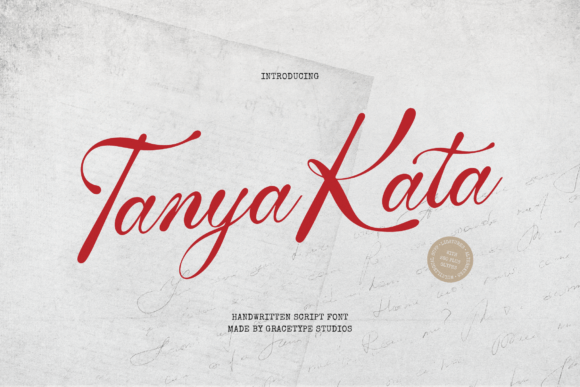
Imagine a typeface that doesn't just present words, but performs them with the grace of a dancer's hand. Tanya Kata is that fluid, handwritten script font, offering designers a sophisticated tool to inject warmth and artisanal character into any visual project. Its slender strokes and sweeping, calligraphic tails capture a timeless penmanship, while its rhythmic flair feels distinctly contemporary.
More than just a pretty face, Tanya Kata's true power lies in its extensive toolkit. With over 280 glyphs, including refined ligatures and custom alternates, it provides the flexibility needed for nuanced typographic work. This depth allows for creating unique, signature-style text that avoids the repetitive look of standard script fonts, ensuring each word resonates with a personal, legendary charm.
Practical Applications Across Design Disciplines
The fluid elegance of Tanya Kata makes it a versatile asset across numerous creative projects. Its human-centric warmth elevates designs where personality and connection are paramount.
Building a Memorable Brand Identity
For boutique branding and logo design, Tanya Kata delivers an immediate sense of authenticity and luxury. It excels in crafting wordmarks for lifestyle brands, artisanal food products, or high-end services where a personal touch is part of the brand promise. When used in marketing materials—think business cards, letterheads, and brochures—it reinforces a cohesive and elegant brand narrative.
Enhancing Digital and Social Presence
In the fast-paced realm of digital marketing and social media, Tanya Kata cuts through the noise. It is perfect for creating personalized social media headers, quote graphics, and story templates that feel handcrafted. Its clear, flowing forms also translate well to website hero text for specific landing pages or blog titles, adding a layer of sophistication to web design without compromising on digital clarity when used judiciously.
Elevating Print and Packaging
Where Tanya Kata truly shines is in print design and packaging. It is an ideal choice for romantic wedding invitations, event stationery, and editorial layouts in magazines or lookbooks. For product packaging, it communicates quality and care, making it suitable for labels on cosmetics, gourmet foods, or artisanal crafts. The font's graceful tails and connections help create a seamless, polished presentation that enhances the unboxing experience.
Integrating Script Fonts Effectively into Your Workflow
While a font like Tanya Kata is a powerful creative asset, its effectiveness depends on thoughtful application. Here are key considerations for designers and creators:
- Balance and Hierarchy: Script fonts are best used for display purposes—headlines, logos, or accent text. Pair Tanya Kata with a clean, neutral sans-serif or serif font for body copy to ensure readability and establish a clear visual hierarchy.
- Context is Key: Align the font's personality with your audience and project goals. Its romantic, artisanal quality is perfect for a wedding planner but may not suit a corporate tech report. Always consider the message and medium.
- Test for Scalability: Check how the font renders at various sizes, from a small product label to a large banner. The intricate details of a script font can become muddled at very small sizes.
- Leverage OpenType Features: Explore the full glyph library. Using alternates and ligatures can prevent repetitive letterforms and add a custom, handwritten feel to your typography, elevating the final design.
Ultimately, the choice of typography is a fundamental design decision that shapes communication and user experience. A resource like Tanya Kata offers more than just letters; it provides a voice—one of fluid elegance, professional warmth, and artisanal beauty. By selecting and using such creative assets with intention, designers can transform standard projects into memorable visual stories, ensuring every word not only reads but also feels exactly right.