Shavira Handwritten: Elevating Modern Design with a Personal Touch
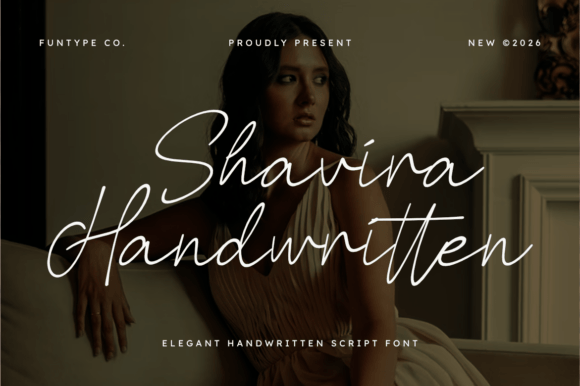
In the quest for visual authenticity, the right typeface can transform a generic layout into a memorable experience. Shavira Handwritten and its companion style, Shavina Handwritten, represent a shift in modern graphic design toward more organic, human-centric aesthetics. This beautiful and elegant script font offers a natural, flowing style that mimics authentic handwriting. It is designed to bridge the gap between digital precision and the warmth of personal communication, making it a vital tool for any designer looking to inject personality into their work.
The Role of Authenticity in Visual Communication
Modern consumers and audiences are increasingly drawn to brands that feel genuine. In a landscape saturated with rigid, geometric sans-serifs, typography that mimics human touch stands out. Shavira Handwritten is not just a collection of glyphs; it is a design asset that communicates emotion. Its cursive, flowing nature suggests care, creativity, and a bespoke quality. This is essential for visual hierarchy, where a specific element—such as a headline or a call-to-action—needs to draw the eye without shouting.
Using a font like Shavira allows designers to break the monotony of corporate typography. It introduces a rhythm to the layout that guides the viewer's eye naturally, improving user engagement and the overall reading experience.
Practical Applications for Creative Projects
The versatility of a high-quality script font lies in its ability to adapt across various mediums. Whether you are working on print design or digital marketing, Shavira Handwritten offers specific solutions for common design challenges.
Brand Identity and Logo Design
For startups, boutiques, or personal brands, a signature-style logo conveys exclusivity. Shavira Handwritten is perfect for creating logos that look hand-lettered, adding a layer of sophistication to the brand identity. It works exceptionally well for beauty products, lifestyle blogs, and artisan goods where the "maker's mark" is a key selling point.
Editorial and Web Design
In editorial design and web design, contrast is key. Pairing Shavira with a clean, legible serif or sans-serif font creates a dynamic visual hierarchy. Use the handwritten script for pull quotes, subheadings, or hero text to add emphasis. This technique is also effective in UI design for highlighting notifications or special features within an app interface.
Marketing and Social Media
Social media platforms thrive on thumb-stopping content. The elegant strokes of Shavira Handwritten can elevate social media graphics, making promotional posts feel less like advertisements and more like personal invitations. It is also an excellent choice for photography watermarks, ensuring credit is given without distracting from the image itself.
Strategies for Using Script Fonts Effectively
While Shavira Handwritten is visually striking, effective implementation requires an understanding of design principles. Typography is a functional art form; it must be readable to be effective.
- Prioritize Readability: Avoid using handwritten fonts for long blocks of body copy. These fonts are best reserved for headers, logos, and accent text where the reader only needs to absorb a few words at a time.
- Check Scalability: Test your creative assets at different sizes. A font that looks great on a billboard might lose detail on a business card. Ensure the font remains legible in packaging design and small-scale print design.
- Match the Tone: Typography sets the mood. Ensure the "voice" of Shavira matches the content. Its elegant style suits luxury, wedding, and lifestyle themes better than industrial or high-tech contexts.
- Kerning and Spacing: Handwritten fonts often require manual kerning (letter spacing) to look natural. Pay attention to how the letters connect to ensure a smooth flow in your final composition.
Integrating Typography with Your Design Workflow
Successful graphic design relies on harmony between elements. When incorporating Shavira Handwritten into your projects, consider your color palette. Soft pastels and earth tones often complement the organic nature of a handwritten script, while high-contrast monochromes can create a modern, edgy aesthetic.
Furthermore, think about the medium. For packaging design, the texture of the paper can influence how the font appears. For digital products, ensure the font is optimized for screen rendering. By treating typography as a central pillar of your design strategy rather than an afterthought, you ensure that every visual touchpoint communicates your intended message clearly.
Ultimately, the goal of design is to communicate effectively and beautifully. Tools like Shavira Handwritten