Retro Ribbons: A Designer's Guide to Timeless Style
In the world of graphic design, where trends flicker and fade, certain visual elements possess an enduring charm. Among them, the classic ribbon motif has made a powerful resurgence, evolving from a simple decorative flourish into a versatile tool for modern branding and communication. The Retro Ribbons collection offers designers a curated toolkit of fonts, vectors, and assets that blend nostalgic appeal with contemporary function, providing a unique solution for projects that demand both personality and professionalism.
Understanding the Retro Ribbons Toolkit
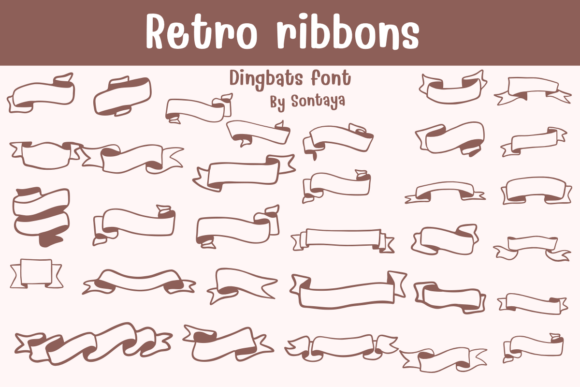
More than just a set of decorative elements, this resource is a comprehensive design system. At its core are the Retro ribbons Fonts, available in standard Otf and Ttf formats, ensuring seamless integration across various software. The package extends beyond typography to include specialized files for popular design applications, such as a ProcreateFont for iPad illustrators and dedicated Affinity Font, Affinity Designer Font, and Affinity Photo Font files. This multi-format approach streamlines the design workflow, allowing for consistent use from initial concept to final output.
The collection further expands its utility with a rich library of complementary assets. You'll find Coloring Outline versions perfect for adding custom color palettes, alongside playful Dingbats and Doodle Cartoon elements. These components work in concert, enabling designers to build layered, textured compositions that stand out.
Practical Applications for Modern Design
The true value of Retro Ribbons lies in its application. These elements are engineered to solve specific visual challenges across numerous creative projects:
- Branding and Logo Design: A ribbon can frame a brand name or monogram, instantly conveying heritage, quality, and trust. It helps establish a strong visual identity with a classic, approachable feel.
- Marketing and Social Media Graphics: Use ribbon banners to highlight special offers, testimonials, or key messages in digital ads and social media posts. The retro style catches the eye and adds a layer of credibility.
- Web and UI Design: Integrate ribbon motifs into website headers, call-to-action buttons, or award badges to guide user attention and create focal points that enhance the user experience (UX).
- Packaging and Editorial Design: On product labels or in magazine layouts, ribbons serve as elegant dividers, seals, or accent pieces that elevate the overall aesthetic and reinforce a premium brand perception.
Selecting and Using Design Assets Effectively
Incorporating any design element, including Retro Ribbons, requires strategic thinking to maintain visual hierarchy and brand consistency. Here are key considerations:
Align with Brand Voice: Ensure the retro style matches your brand's personality. It works exceptionally well for brands that value authenticity, craftsmanship, or a vintage-inspired modern aesthetic.
Focus on Readability: When using the Retro ribbons Fonts, prioritize legibility. Pair them with clean, sans-serif body text to create a balanced typographic hierarchy. The ribbon should complement, not compete with, your core message.
Scale and Composition: Use ribbons as accent pieces within a larger composition. Their effectiveness lies in strategic placement—to draw the eye, separate content sections, or add a touch of decorative flair without overwhelming the design.
Leverage the Full System: Utilize the provided Coloring Outline and Dingbats to create cohesive sets. For instance, a doodle-style ribbon can reinforce a playful campaign, while a solid, outlined version might suit a more formal presentation.
Enhancing Your Design Workflow
Assets like Retro Ribbons are more than just decorative; they are problem-solving tools. By providing a unified set of typography and graphic elements, they reduce the time spent sourcing and adapting disparate assets. This allows designers to focus on higher-level creative decisions—like color palette refinement, compositional balance, and narrative storytelling—resulting in a more polished and professional final product. Thoughtful selection and application of such quality creative assets are fundamental to creating designs that are not only visually appealing but also functionally effective and communicatively clear.